
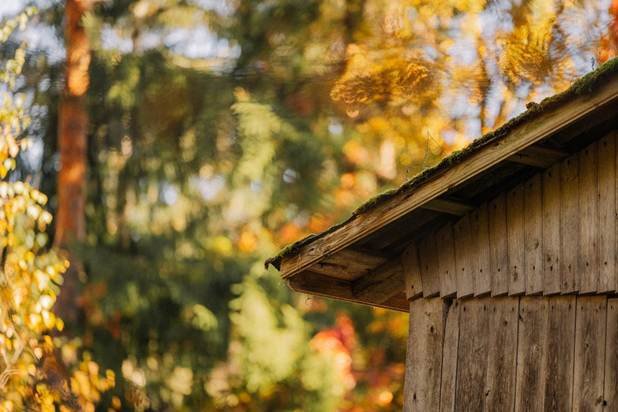
If you’ve noticed mossy patches, green stains, or even tiny weeds on your shingles, you’re not alone, especially in Kansas City, MO. This region’s wet springs, humid summers, and leafy trees create a perfect environment for unwanted growth on rooftops. While it might look harmless at first, plant buildup traps moisture and slowly eats away at the materials above your head. It can clog drainage paths, discolor shingles, and lead to costly fixes if ignored for too long. That’s why knowing how to clean it off and stop it from returning is important.
Here’s what you need to know about getting rid of plant growth on the top of your roof:
What Causes Plant Growth on Roofs?
Plant growth shows up when moisture and shade mix with organic debris. It usually starts in areas that don’t dry quickly, like overhanging trees, leaves that sit too long, and poor air circulation. The north-facing parts of a roof are especially vulnerable because they stay damp longer. In this region, the problem worsens during spring and fall. Rain brings moisture, and falling leaves collect in corners.
Over time, algae and moss feed on limestone in shingles and take hold. The more buildup you get, the harder it becomes to stop. Airborne spores make it worse by spreading from one area to another. If you don’t catch it early, it can turn from surface-level stains into deep-rooted patches that hold moisture for weeks.
Local Climate and How Roofing Experts Can Help
Kansas City’s weather often shifts between extremes. It’s hot and humid in the summer, icy in winter, and rainy in the months between. This back-and-forth creates ideal conditions for algae, moss, and even weeds to take hold along shingle seams.
A trusted Kansas City roofing company can help residents address these problems with timely inspections, eco-safe wash treatments, and personalized plans based on the structure and materials of each roof. They understand the challenges unique to the area, like wind-blown seeds and dense tree coverage. Their teams don’t just clean. They also offer solutions to limit future buildup, like algae-resistant shingles and protective metals installed at ridge lines. These strategies make long-term prevention easier and help avoid constant cleaning or costly fixes later on.
Identifying What’s Growing on Your Roof
Before you remove anything, it helps to know what you’re dealing with. Moss is soft, thick, and green, often found in shaded spots. It tends to grow in clumps and feels sponge-like when touched. Algae, on the other hand, shows up as dark streaks or stains. These are more common on asphalt shingles and can spread fast. Lichen is harder to spot and remove. It appears as a crusty growth with bluish or green coloring. Sometimes, you might even see weeds or tiny plants poking up between shingles or around clogged edges. These usually grow from damp debris trapped by leaves or nests. Each of these growth types requires a slightly different approach, so identifying what’s there helps you clean it off the right way.
Is Plant Growth Dangerous for Your Roof?
Yes, plant buildup does more than just make your roof look bad. Moss and algae trap water and keep surfaces damp, which slowly weakens shingles. Over time, this can lead to cracks, leaks, or rotting underneath. In winter, the trapped moisture may freeze and expand, causing shingles to break apart. Algae stains don’t just discolor.
They can eat into the protective layer of materials. Lichen is even more damaging because its roots attach tightly and often pull apart surfaces when removed. If weeds grow out of clogged areas, they can spread faster than you’d expect and push apart joints. What starts as a small problem can lead to structural damage, so it’s better to take care of it sooner rather than later.
Safety First: What to Know Before Cleaning
Before climbing up to clean anything, stop and assess the risks. Roofs can be slippery even without moss, so wear shoes with a strong grip and gloves that won’t slide. Use a ladder with rubber feet and secure it against something stable. A safety harness is a smart idea if you’re working on a slope. Avoid stepping near edges or on brittle shingles. Never lean too far from the ladder to reach spots—move the ladder instead. Also, skip the pressure washer unless your roofing material is rated for it. High force can damage shingles or push water underneath. If the slope is too steep or the growth is too widespread, consider calling a local service team trained in safe cleaning methods.
Tools and Supplies You’ll Need
You don’t need heavy equipment to clean your shingles, but you do need the right tools.
- Start with a pump or garden sprayer for applying the cleaning solution.
- Choose a formula that’s safe for shingles and the environment.
- Avoid anything with harsh bleach unless it’s specifically labeled for roofs.
- A soft-bristle brush is good for scrubbing without scraping the surface.
- Use rubber gloves, non-slip shoes, and protective glasses.
- Lay plastic sheets over plants and shrubs near the house to avoid runoff damage.
- You’ll also want a garden hose with a spray nozzle to rinse.
- Avoid using power washers unless you’re trained or know the roofing type can handle the pressure.
These items make the process safer and reduce the risk of unwanted damage.
How to Prevent Regrowth
Prevention takes less time than constant cleaning.
- Cut back nearby tree limbs to let sunlight reach the surface.
- Clear debris from the top regularly, especially after storms or heavy winds.
- Clean your drainage paths often so water doesn’t stay trapped. Install metal strips made of zinc or copper near the top ridge. They release ions that slow algae and moss growth.
- Use algae-resistant shingles if replacing the old ones. Some new materials are designed to stay cleaner longer.
- You can also apply protective sprays that reduce moisture buildup.
Prevention works best when it’s consistent. Schedule a seasonal inspection and take action early. Keeping things dry and free of organic material helps avoid plant growth problems in the first place.
Final Thoughts
Unwanted plant growth doesn’t just look bad. It leads to moisture problems, material breakdown, and even leaks. Catching the issue early makes cleaning faster and safer. Simple tools, safe solutions, and good habits can keep your roof clear of algae, moss, and weeds. Focus on prevention just as much as cleanup. Trim trees, remove debris, and use proven materials to stop regrowth.
If the problem spreads or becomes too much to handle, calling in a reliable team can save you from future damage. Whether you clean it yourself or bring in help, staying consistent is the key. Take care of the surface above you, and it’ll keep protecting everything below for years.